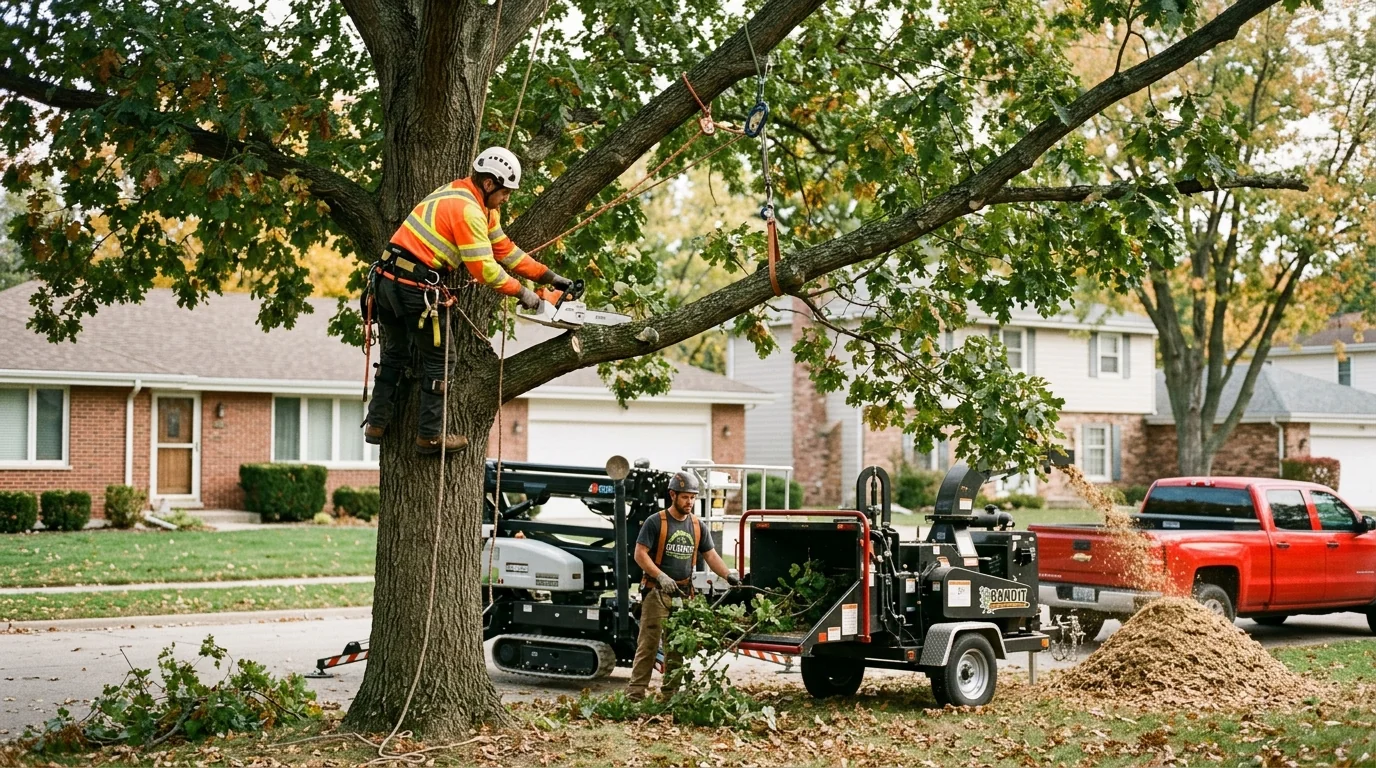
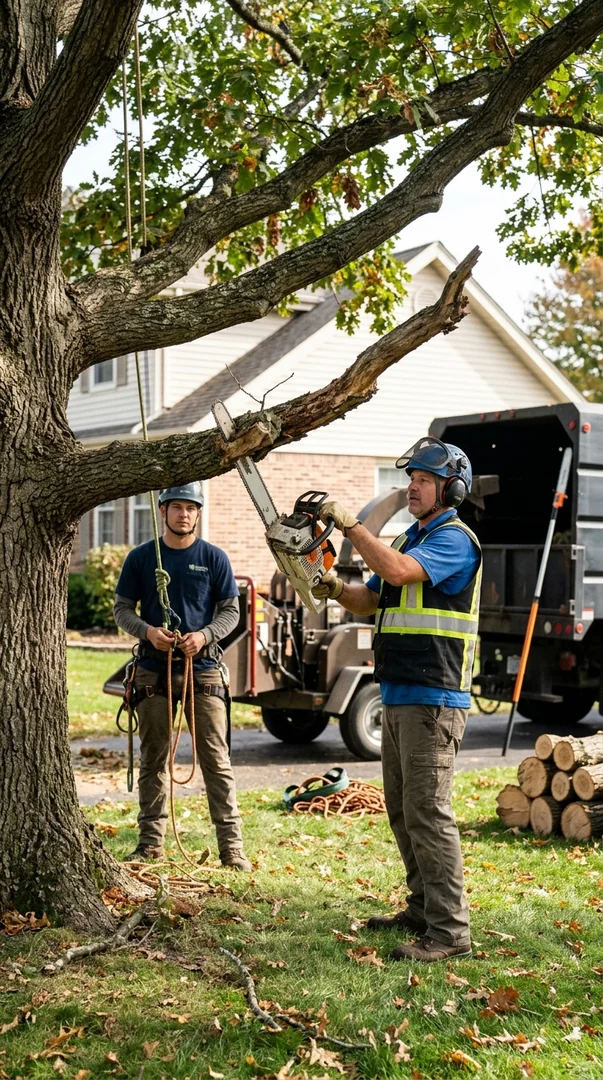
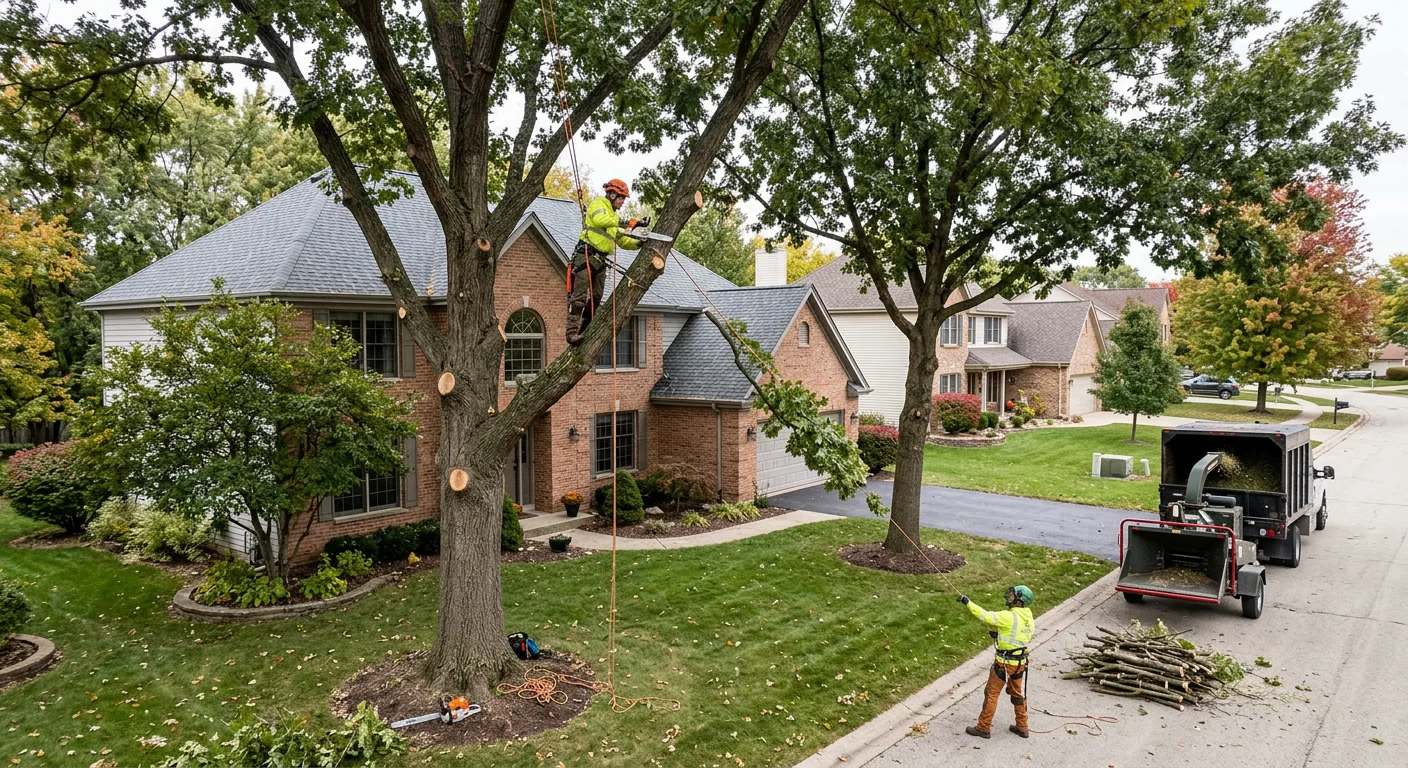
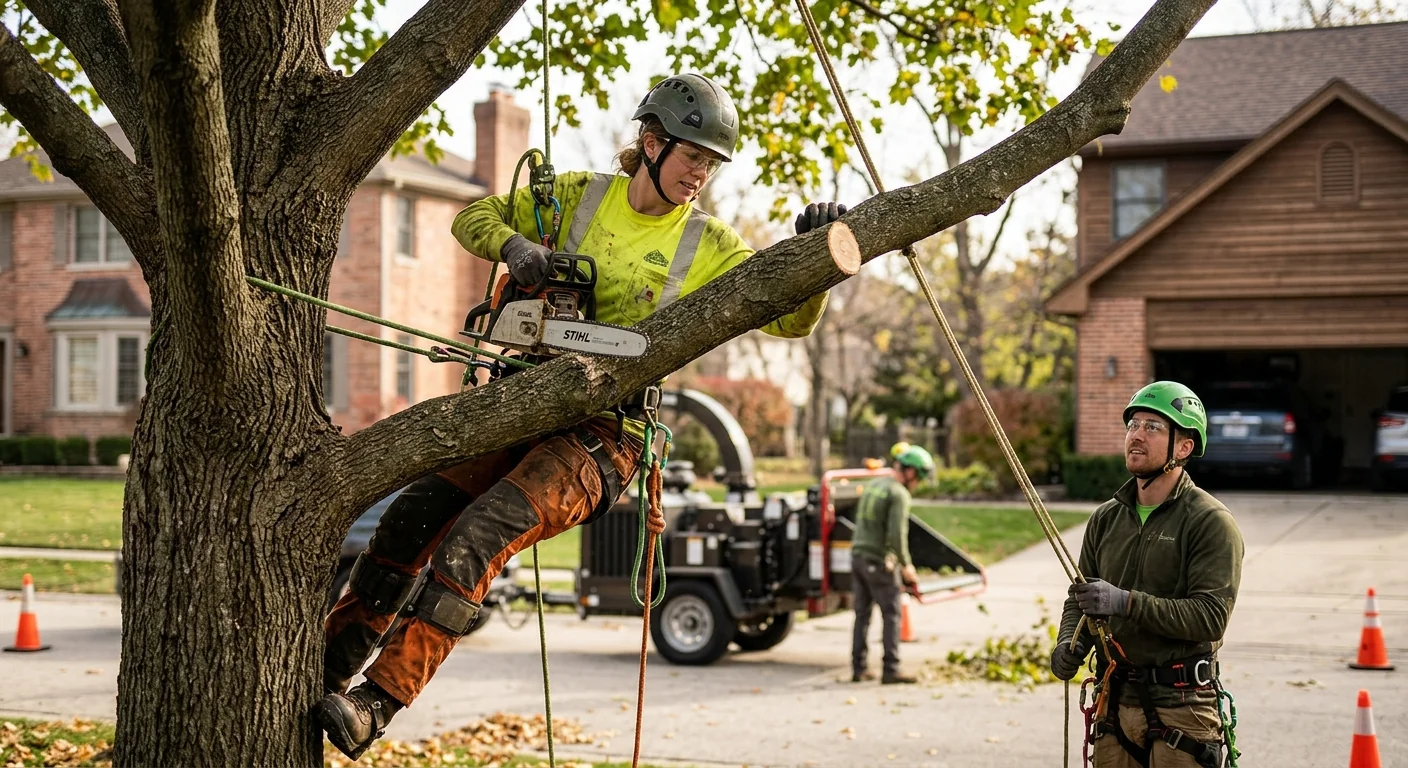
Tree Removal covers the site conditions, scope, materials, and timing that affect tree removal for Batavia, IL properties. Batavia Tree Service Elite confirms the next step and keeps the work focused on a practical tree removal result.
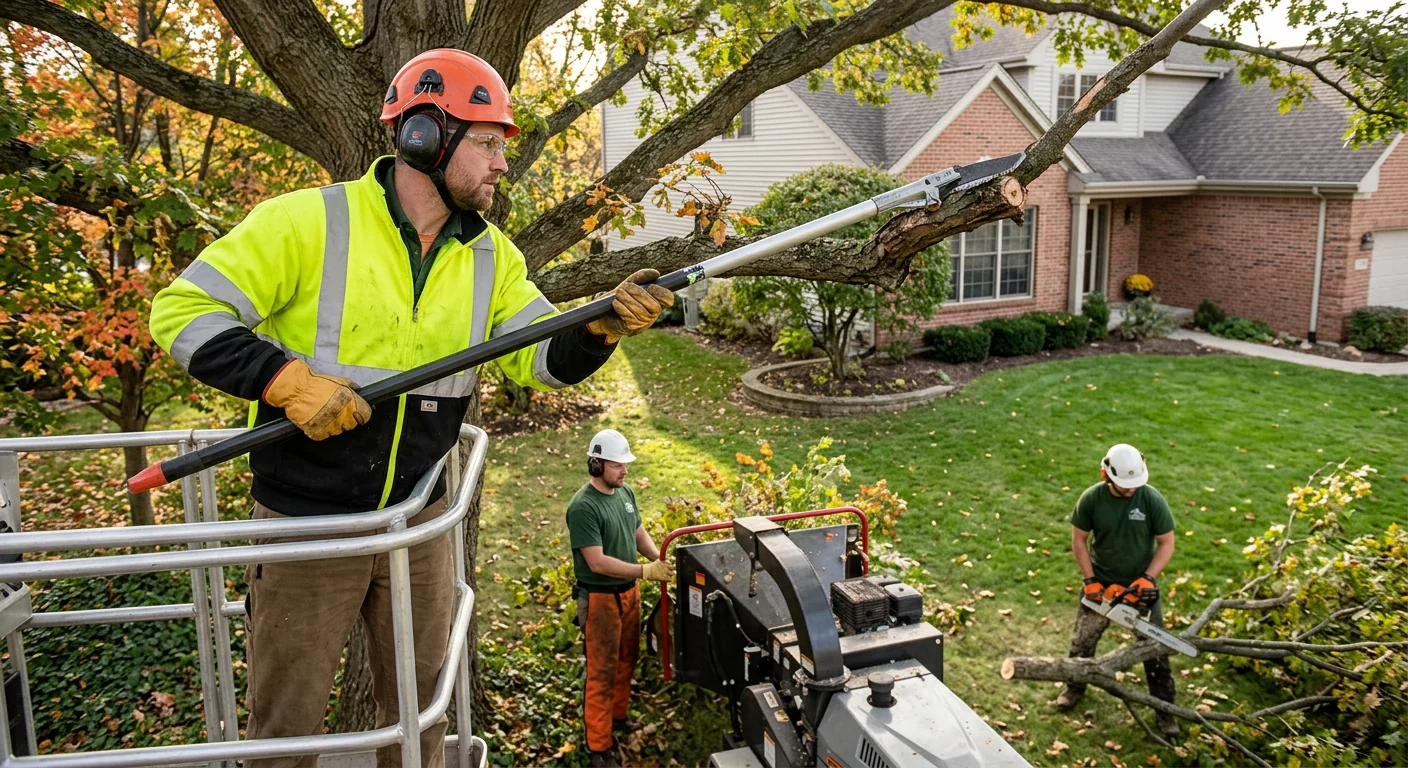
Learn MoreTree trimming controls canopy density, corrects encroaching limbs, and restores clearance from rooflines and utility lines. Cuts are placed at the branch collar to support proper wound closure and reduce decay entry points. Balanced thinning improves light penetration and airflow, which limits fungal pressure and keeps mature trees structurally sound for years.
Learn MoreAfter high winds or ice loading, we respond to split leaders, hanging limbs, and partially uprooted trees that threaten property. Each site is evaluated for tension and compression stress before cutting so stored energy releases safely. Downed material is sectioned, removed, and the area is graded clear so recovery and repairs can move forward.
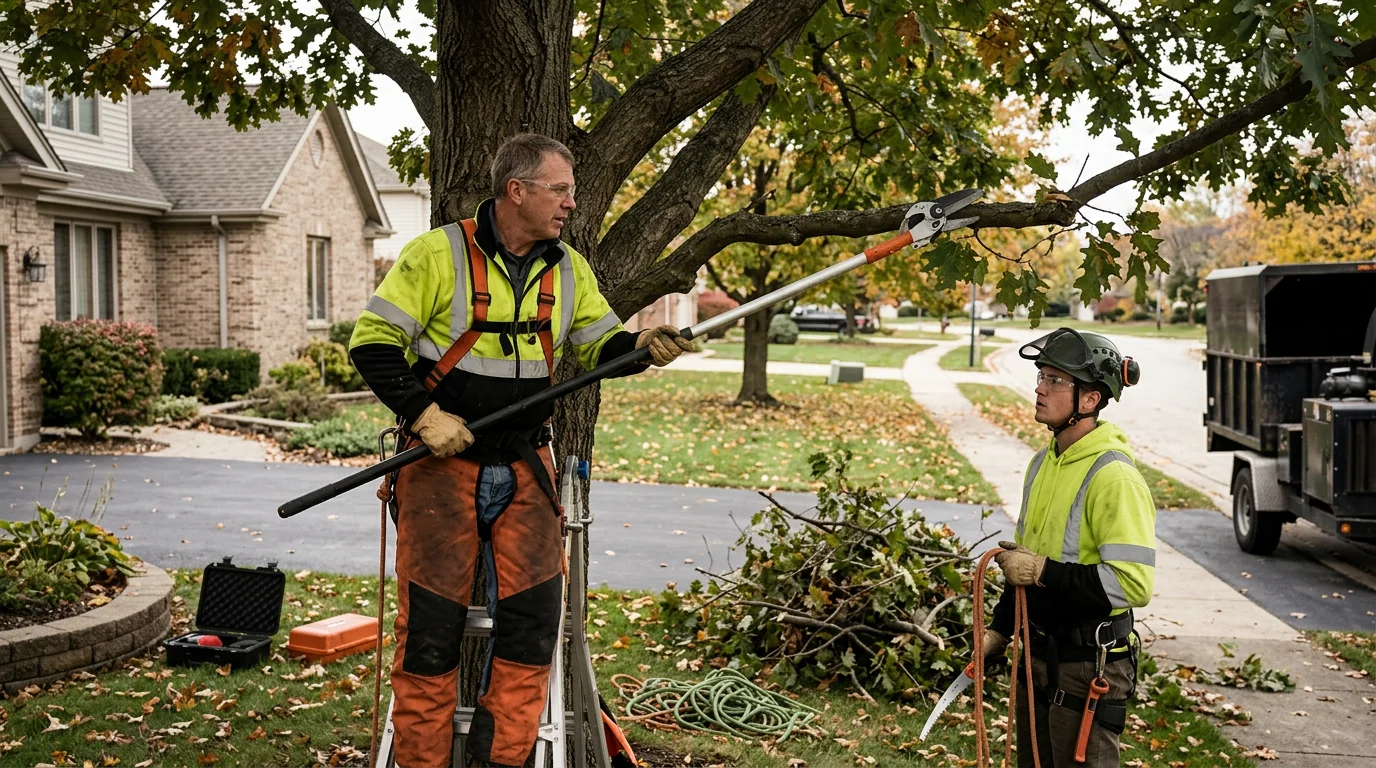
Learn MoreEmergency Tree Service covers the site conditions, scope, materials, and timing that affect emergency tree service for Batavia, IL properties. Batavia Tree Service Elite confirms the next step and keeps the work focused on a practical emergency tree service result.
Learn MoreTree pruning is a precision practice that shapes young growth and maintains the health of established specimens. We apply crown reduction, deadwooding, and selective thinning based on species response and growth habit. Proper cut placement preserves the vascular structure and directs future limb development. The result is a stronger scaffold and a longer productive lifespan.
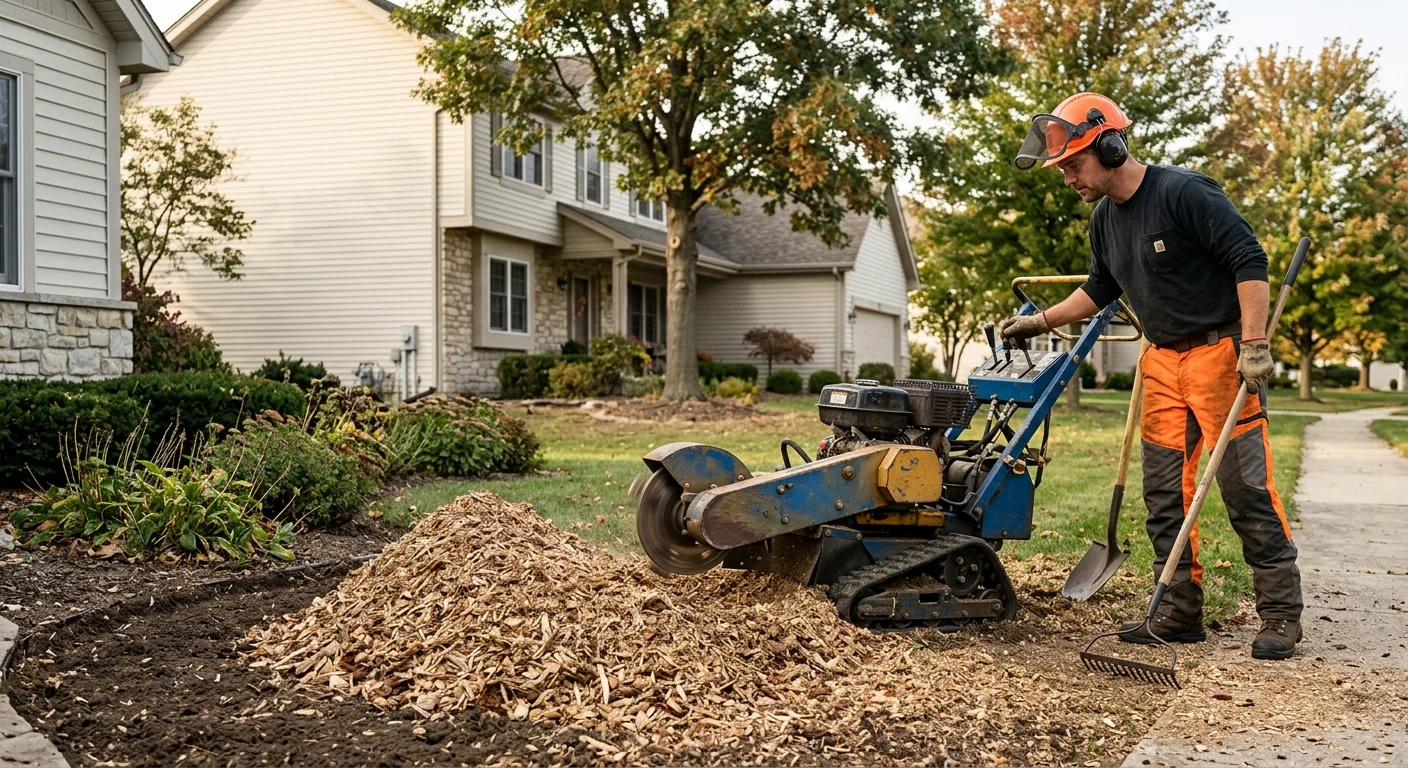
Learn MoreGrinding eliminates remaining stumps and surface roots that invite pests, fungi, and regrowth suckers. Our carbide-tooth grinders process the stump several inches below grade so the area can be seeded, replanted, or paved. We control chip discharge, backfill the cavity with grindings, and leave the surface level for immediate landscape use.
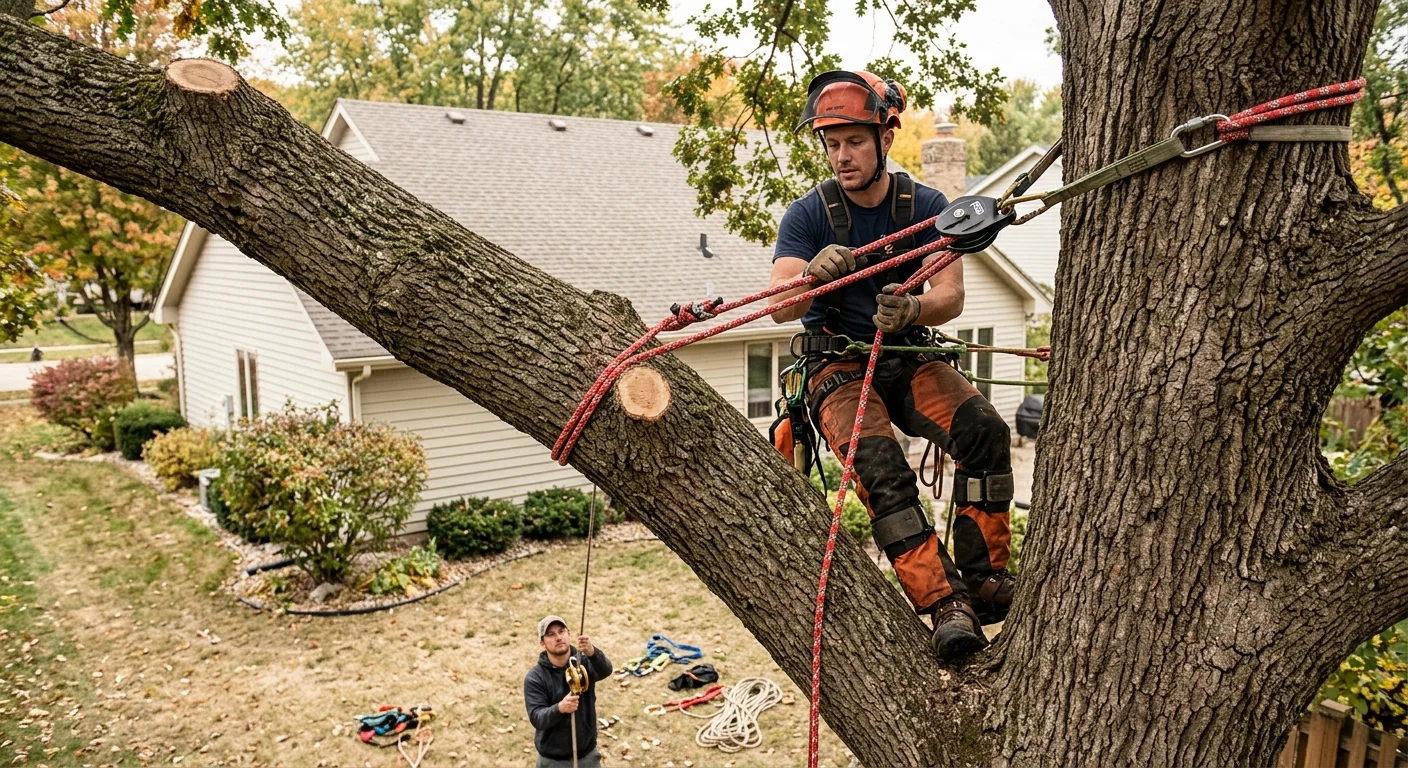
Learn MoreHazardous removals target trees with advanced decay, cavities, cracked unions, or compromised root plates. We identify failure points through visual and sounding inspection, then plan a rigging path that keeps stress off weak wood. Crane assistance or piece-by-piece takedown is chosen based on lean and target proximity. Safety governs every decision.
Learn MoreOngoing maintenance monitors vigor indicators like leaf density, cambium condition, and early signs of borers or fungal infection. We schedule inspections, soil evaluation, and corrective pruning to keep trees resistant to seasonal stress. Preventative care extends canopy life and protects surrounding structures. Consistent attention prevents small issues from becoming costly failures.
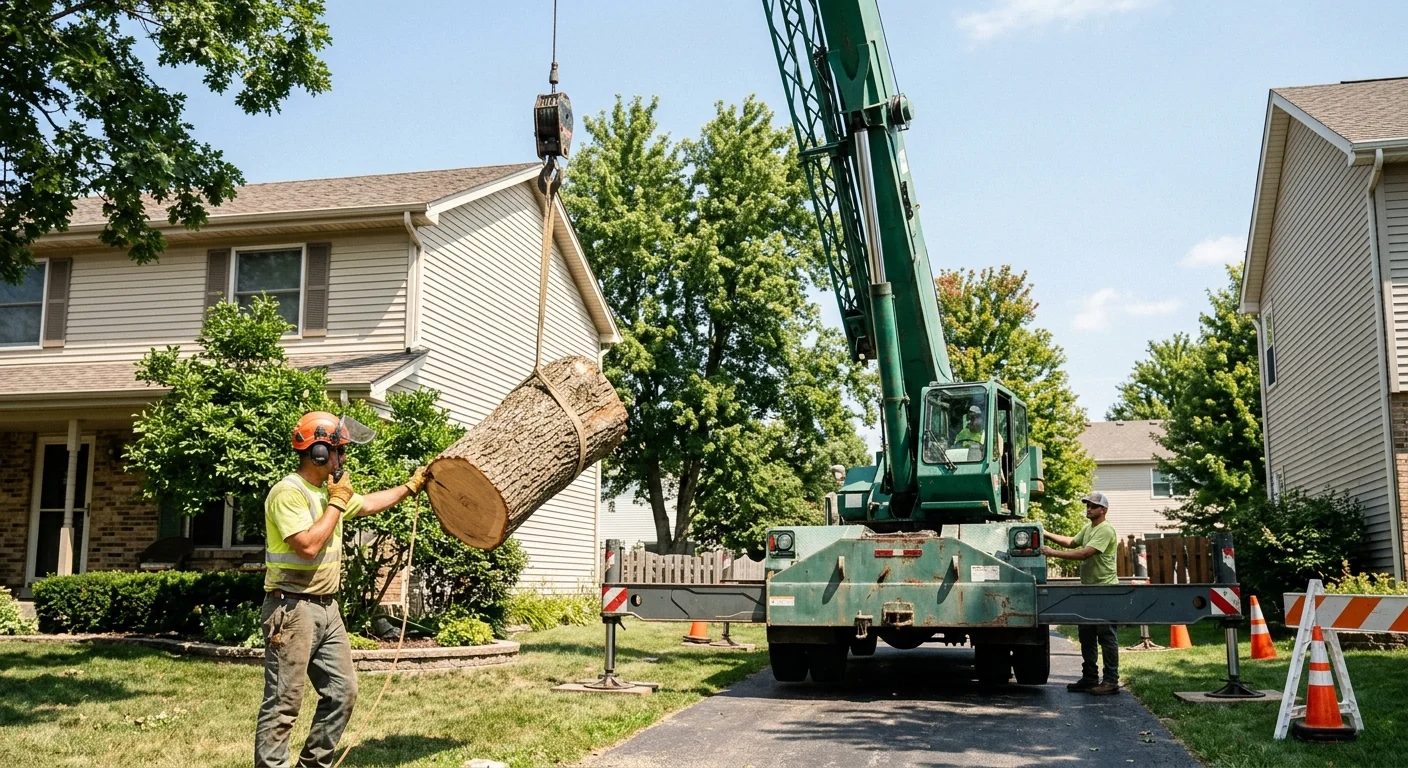
Learn MoreCrane-assisted removal handles oversized or tightly confined trees where standard felling would endanger structures. Rated picks are calculated for each section so weight stays within safe lifting limits. Sections are secured, cut, and lifted clear over rooflines to a staging area. This method reduces ground impact and protects landscaping below.
Learn MoreRisk assessment documents structural defects, target zones, and failure probability using industry evaluation methods. We check root flare, trunk lean, included bark, and canopy balance, then grade each tree by likelihood and consequence of failure. You receive a written report with prioritized recommendations, giving you a clear plan to manage long-term property safety.
Learn MoreLot clearing prepares raw or overgrown parcels for construction, drainage improvements, or usable green space. We selectively remove trees, grind stumps, and clear underbrush while preserving specimens worth keeping. Grading considerations and root systems are factored in to protect future soil stability. The finished lot is level, accessible, and ready for the next phase.
Learn MoreBrush removal clears dense understory, invasive growth, and accumulated deadfall that harbor pests and fuel fire risk. We cut, chip, and haul thickets along fence lines, easements, and property edges. Opening the ground layer improves airflow and sightlines. Cleared areas resist reinfestation longer when maintained on a regular schedule.
Learn MorePlanting begins with species selection matched to soil type, drainage, and mature spacing for the site. We set root balls at correct depth, avoid girdling roots, and establish proper mulch rings to retain moisture. Structural training in early years builds a sound branch scaffold. Careful placement supports decades of healthy, durable growth.
Learn MoreCabling and bracing support weak crotches, co-dominant stems, and heavy horizontal limbs prone to splitting. We install steel cables and threaded rods at engineered positions to redistribute load and limit movement in storms. This hardware preserves valuable mature trees that would otherwise face removal. Periodic inspection keeps the support system performing reliably.
Learn More